
There’s something epic about hitting triple digits on a bike. A century ride — 100 miles in a single day — is a milestone that many cyclists dream of tackling at some point in their riding journey. For newcomers to long-distance cycling, the idea of riding that far might seem daunting. But with a little planning, consistent training, and the right mindset, that 100-mile mark can go from intimidating to entirely achievable.
Article Sponsored by: Parking Lot Striping Jacksonville
Whether you’re gearing up for an organized charity ride, a local cycling event, or a personal challenge you’ve set for yourself, your first century ride will test your endurance, your preparation, and your mental grit. It’ll also reward you with a deep sense of accomplishment and a new understanding of just how far your legs — and your willpower — can take you.
Build a Solid Foundation
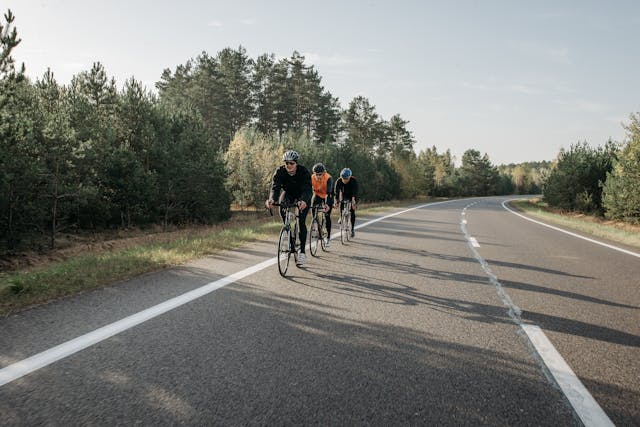
Before you even think about doing a 100-mile ride, it’s important to have a good base of fitness. If you’re already riding two to three times a week, with occasional rides of 25–40 miles, you’re on the right track. The key to building endurance is consistency over time. It’s not about hammering out massive rides every day. Instead, it’s about gradually increasing your mileage in a way that lets your body adapt without breaking down.
Start by committing to regular weekly rides. Aim for three to five sessions per week if possible — a mix of short weekday rides and longer weekend efforts. These rides should feel comfortable and sustainable, not punishing. Think of it as building the engine before you race it.
Increase Distance Gradually
One of the most common mistakes first-time century riders make is ramping up their mileage too quickly. It’s tempting to chase big numbers right away, but patience is key. A good rule of thumb is to increase your weekly long ride by no more than 10% each week. So if you ride 30 miles one weekend, aim for around 33–35 the next, and so on.
It’s also helpful to schedule a “cutback week” every third or fourth week, where you slightly reduce your mileage to allow your body to recover and rebuild. These rest periods help you come back stronger and reduce the risk of burnout or injury.
Over the course of 8 to 12 weeks, you’ll gradually work your way up to longer rides — ideally hitting at least 75–80 miles in a single ride before attempting your century. If you can do that, the final 20–25 miles on the big day will be tough, but manageable.
Train Your Body — and Your Gut
Riding 100 miles is as much about nutrition as it is about fitness. Your body can store only so much energy, and once you start running low, things can go south quickly. The dreaded “bonk” — when your energy levels crash and your body essentially hits a wall — is something you definitely want to avoid.
During training, experiment with different fueling options to find what works best for you. Some riders prefer energy bars and gels, while others rely on bananas, peanut butter sandwiches, or trail mix. The goal is to eat something every 30 to 45 minutes on longer rides and drink consistently throughout.
Don’t wait until you’re hungry or thirsty — by then, it’s often too late. Keep sipping water or an electrolyte drink regularly, and make sure you’re getting both carbs and salt. Your training rides are the perfect time to test what your stomach tolerates well during exertion.
Practice Riding at a Steady Pace
One of the biggest challenges of a century ride is pacing. It’s easy to start too fast, especially when the adrenaline is flowing and the legs feel fresh. But going out hard early on is a recipe for fatigue later. Training rides should help you dial in a steady, sustainable pace — one that lets you cover distance without draining your tank too quickly.
Learn to listen to your body and understand your effort levels. You should be able to hold a conversation for most of your ride. If you’re gasping for air within the first 20 miles, it’s time to ease off.
Using a bike computer or a heart rate monitor can help, but even a simple awareness of your breathing, cadence, and comfort level goes a long way. It’s not a sprint — it’s a long, steady journey.
Get Comfortable With Time in the Saddle
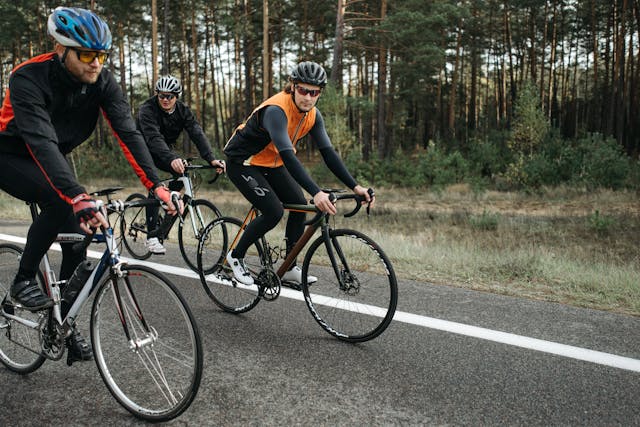
Spending hours on a bike takes more than just fitness — it also takes physical comfort. A sore back, aching wrists, or numb hands can derail your ride long before your legs give out. That’s why it’s important to dial in your bike fit early in your training. A proper saddle height, handlebar position, and frame fit can make a huge difference in your comfort and endurance.
Padded cycling shorts and gloves are essential for long rides, and many riders use chamois cream to reduce friction. During your training rides, get used to standing up on the pedals occasionally, shifting your hand position, and stretching gently to keep your body relaxed.
Prepare for the Big Day
As your century ride approaches, taper your training slightly to allow your legs to recover. A few days before the ride, rest up, hydrate well, and fuel with healthy carbs and proteins. Double-check your bike for mechanical issues — tires, brakes, and chain should all be in good shape.
Plan your route if it’s not part of an organized event, and have a rough schedule in mind for rest stops and food breaks. Let someone know your route, especially if you’re riding solo, and bring your phone, ID, and any supplies you might need.
Your first century ride isn’t just a test of endurance — it’s a celebration of everything you’ve built through weeks of training and commitment. It’s a physical and mental challenge that pushes you to new limits and shows you what you’re capable of.
Will it be tough? Absolutely. But it will also be rewarding, empowering, and unforgettable. So when the miles feel long and your legs start to ache, remember why you started. You’re not just riding 100 miles — you’re becoming part of a long-distance legacy.
Thank you for visiting our site. We hope you are finding lots of great info about biking. We know everyone has great experiences to share, so if you have anything fun to share, please contact us today. We also ask that you visit our sponsor Jacksonville Parking Lot Striping.