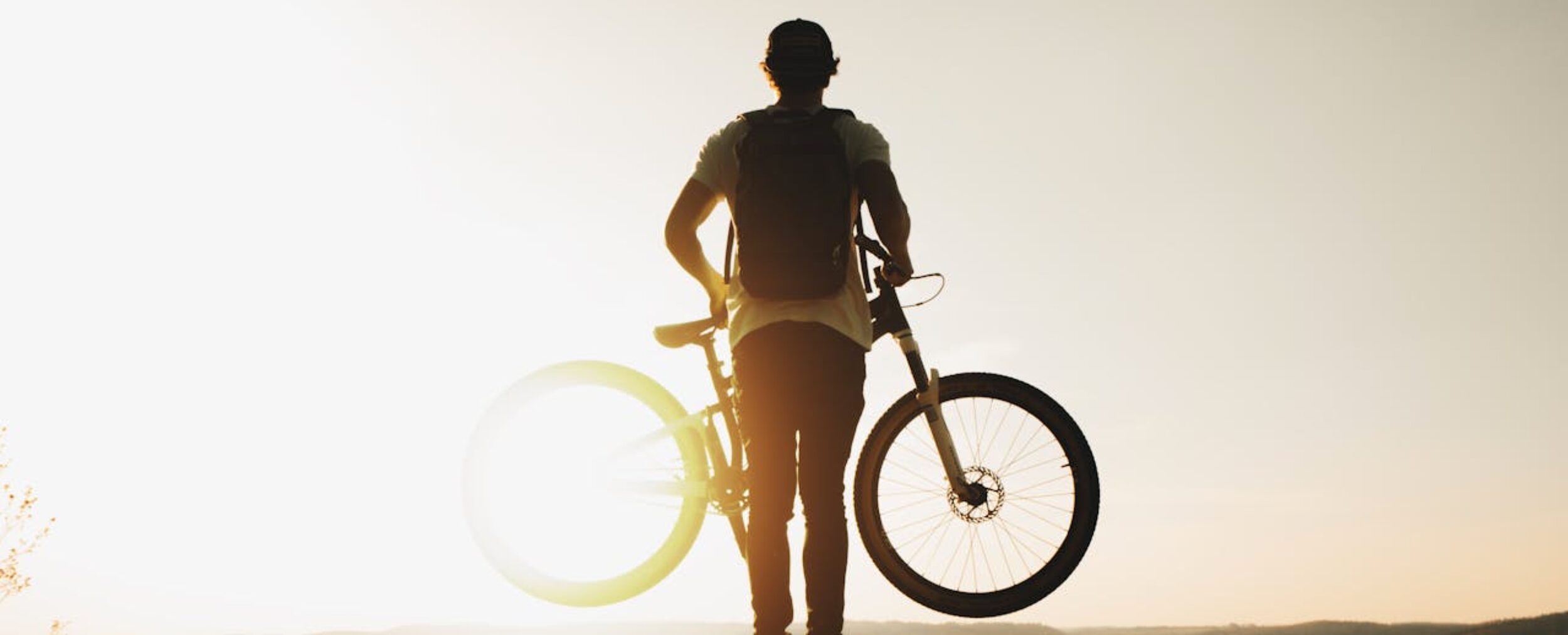
You’ve seen them cruising down the bike path, zipping up hills, and blending in with traditional bikes — until you hear the faint hum of a motor. Electric bikes, or e-bikes, have surged in popularity in recent years, and for good reason. They promise the freedom and joy of traditional cycling, with an added boost that makes riding easier, faster, and more accessible for a wider range of people.
Article Sponsored by: Parking Lot Striping Pensacola
But with all the buzz, it’s natural to wonder: are e-bikes really worth the hype? Are they just a passing trend, or a genuine evolution in cycling? Whether you’re a seasoned rider or someone curious about getting back into biking, understanding how e-bikes work and what they offer can help you decide if they’re right for you.
What Is an E-Bike, Really?
At its core, an e-bike is a bicycle equipped with an electric motor that provides assistance as you pedal. They still require pedaling — this isn’t a scooter or motorcycle — but the motor helps reduce the effort, especially when climbing hills, accelerating from a stop, or riding into headwinds.
There are generally three classes of e-bikes:
- Class 1: Pedal-assist only, with no throttle, and a top assisted speed of 20 mph.
- Class 2: Pedal-assist with a throttle option, also limited to 20 mph.
- Class 3: Pedal-assist only, but with assistance up to 28 mph.
This range of classes allows riders to choose a style that fits their needs, whether they’re commuting to work, running errands, exploring bike trails, or just cruising for fun.
Making Cycling More Accessible
One of the biggest benefits of e-bikes is how they lower the barrier to entry for people who might otherwise struggle with traditional cycling. Whether it’s due to age, joint pain, heart concerns, or just a lack of fitness, many people find regular biking too physically demanding to enjoy consistently.
E-bikes change that. The electric assist levels the playing field. Suddenly, riders who were hesitant to tackle hills or longer distances can ride with confidence. For couples or families where members have different fitness levels, e-bikes make it easier to stay together and enjoy the ride without anyone being left behind or pushed too hard.
This accessibility isn’t just physical — it’s also mental. Knowing you have the motor as a backup provides a psychological safety net. You don’t have to worry about burning out halfway through a ride or struggling up that last hill before home.
Commute Without the Sweat
For many urban and suburban commuters, e-bikes offer a practical and eco-friendly alternative to driving. They’re faster than walking, less strenuous than a traditional bike commute, and you don’t arrive at work drenched in sweat. With rising fuel prices, traffic congestion, and limited parking in many cities, e-bikes are becoming a favorite tool for getting from point A to B efficiently.
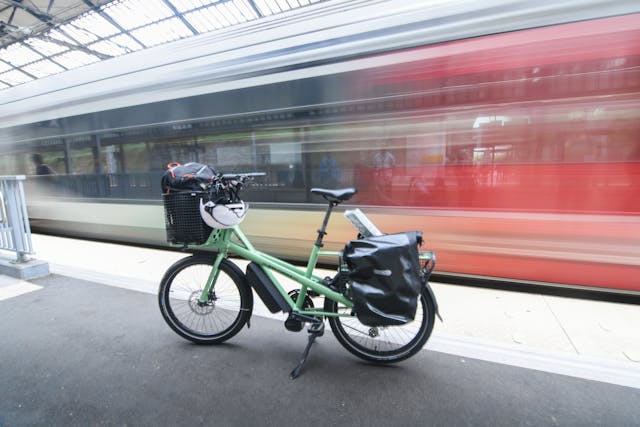
Most e-bikes can be outfitted with racks, panniers, or baskets, making them perfect for hauling groceries, laptops, or even small children in tow. With dedicated bike lanes popping up in more cities and infrastructure catching up to the cycling boom, e-bike commuting is a smarter, greener way to get around.
Exercise That Meets You Where You Are
A common criticism of e-bikes is that they make cycling “too easy.” But studies have shown that e-bike riders often get just as much — or more — exercise than traditional cyclists over time. Why? Because they ride more often, for longer distances, and feel encouraged rather than intimidated by the effort involved.
E-bikes still require pedaling, especially when the motor is in a lower assist mode. You can choose how much help you want, making the ride as easy or as challenging as you prefer. If you’re trying to build back fitness, recover from an injury, or just get moving again, e-bikes let you ease into cycling without pushing your body too hard.
And for already active riders, e-bikes can expand your riding possibilities — longer routes, new terrain, or back-to-back rides with less fatigue.
Price, Maintenance, and Considerations
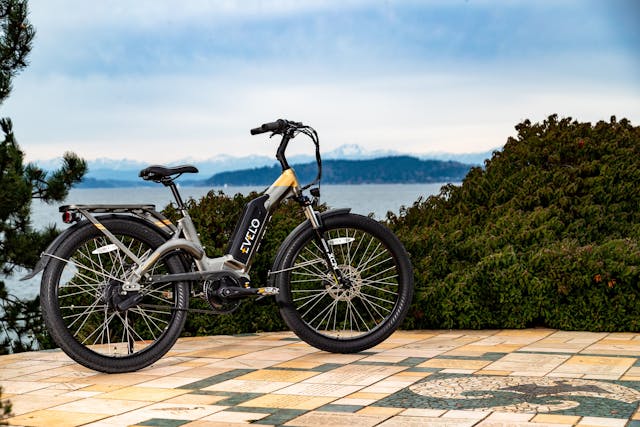
Of course, e-bikes aren’t without their trade-offs. The initial cost is higher than a traditional bike, often ranging from $1,200 to $4,000 or more depending on the brand, battery size, and features. But for many, the investment pays off in the form of more frequent riding, fewer car trips, and greater versatility.
Maintenance is a little different, too. In addition to standard bike upkeep like chains, tires, and brakes, e-bikes have electronic components that may require specialized service. Battery life is typically measured in charge cycles, with most lasting anywhere from 500 to 1,000 full charges before capacity begins to fade. Keeping your battery charged and stored properly will help it last as long as possible.
And then there’s the weight. E-bikes are heavier than standard bikes — often 45 to 65 pounds — which can make them harder to carry up stairs or lift onto a car rack. However, once you’re riding, that weight is barely noticeable thanks to the motor assistance.
The Future of Cycling?
What’s clear is that e-bikes are more than just a novelty. They’re changing the way people think about transportation, fitness, and recreation. For older riders, people with physical limitations, or those looking to replace car trips, e-bikes offer a real solution. For traditional cyclists, they offer a new kind of ride — one that’s faster, farther, and sometimes just plain more fun.
If you’ve been curious, it’s worth taking one for a test ride. Chances are, you’ll be surprised by how natural it feels and how quickly you start smiling. The hype around e-bikes isn’t just marketing — it’s coming from riders who’ve discovered a new kind of freedom on two wheels.
E-bikes aren’t here to replace traditional bikes — they’re here to expand what biking can be. They open doors for new riders, extend possibilities for experienced ones, and help bridge the gap between cars and pedal power.
Whether you’re looking for a more approachable way to ride, a smarter way to commute, or simply a new reason to get excited about cycling again, e-bikes are absolutely worth exploring. Sometimes a little extra boost is all it takes to fall back in love with the ride.
Thank you for visiting our blog, we are glad you are here. If you have any comments or questions please contact us today. We also ask that you visit our sponsor Pensacola Parking Lot Striping today.